




Here’s a question we hear constantly – “Do I really need to pay for a camera inspection, or can you just fix the problem?” The honest answer is that spending a few hundred dollars on inspection often saves you thousands on repairs you don’t actually need.
Let’s break down what sewer inspections cost, what you’re actually paying for, and why this is one of those times where spending money upfront saves you way more on the back end.

The typical cost range for camera inspections
Most residential sewer camera inspections in Tucson run somewhere in the range of a few hundred dollars. That covers coming to your home, running a camera through your entire sewer line, and providing you with documentation of what we find.
Simple inspections for standard residential properties cost less than complex jobs involving multiple access points, extremely long sewer runs, or difficult access situations. The price reflects the time and equipment needed for your specific property.
Some companies offer free inspections, but here’s the catch – they’re banking on selling you repairs afterward, which sometimes leads to recommendations for work you don’t actually need. We’d rather charge fairly for inspection and give you honest answers about what’s really going on.
What you’re actually paying for
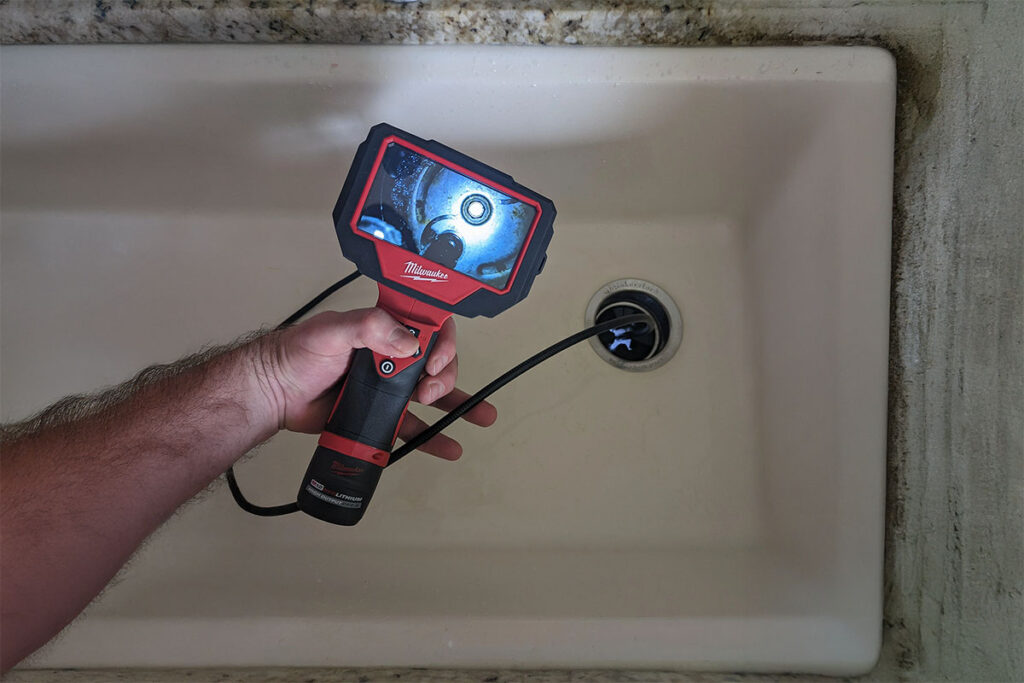
The camera equipment itself represents a significant investment. High-definition waterproof cameras with locating capabilities and proper lighting systems aren’t cheap, and maintaining them properly costs money too. Quality equipment delivers quality results that actually help you make informed decisions.
Technician expertise matters enormously. Running a camera through a sewer line is only useful if the person operating it knows what they’re looking at. We’re not just pushing a camera through – we’re identifying problems, understanding their severity, and explaining what they mean for your home.
Documentation and reporting take time but provide enormous value. You get video footage, written reports, and clear explanations of findings. This paperwork protects you during real estate transactions, insurance claims, and when getting multiple repair bids from different contractors.
Factors that affect inspection pricing
Sewer line length impacts costs directly. Inspecting a 50-foot line to the street takes less time and equipment than running 200 feet through a rural property to reach a distant septic tank or connection point.
Access difficulty plays a role too. If we can reach your sewer line through an existing cleanout in your yard, inspection goes quickly. If we need to remove a toilet or work through a main drain, that adds time and labor to the process.
Property type matters. Standard single-family homes with straightforward sewer lines cost less to inspect than multi-story buildings, commercial properties, or homes with complex plumbing systems requiring inspection of multiple lateral lines feeding into the main sewer.
When inspection costs more than standard rates
Emergency or after-hours inspections carry premium pricing, just like any service call outside normal business hours. If you need inspection at 10 PM on Sunday because you’re buying a house Monday morning, expect to pay more for that urgency and inconvenience.
Multiple line inspections add up. If you need us to inspect several lateral lines, your main sewer, and a septic system connection separately, each inspection requires separate camera runs and adds to the total cost for comprehensive coverage.
Difficult access situations increase prices. Sewer lines without proper cleanouts, systems requiring special equipment to navigate, or properties where we need to dig to create access points all take more time and resources than straightforward inspections through existing access.

How inspection saves you money on repairs
The biggest savings come from accurate diagnosis. I can’t count how many times we’ve inspected a line after homeowners were told they needed complete replacement, only to find a simple blockage or one small damaged section that costs a fraction to fix properly.
Last month we inspected a line for a couple on Oracle Road who’d gotten quotes for $15,000 in replacement work. Our camera showed they needed about 10 feet of pipe repaired near a tree root intrusion. Total repair cost was under $3,000, and the inspection paid for itself several times over.
Targeted repairs cost less than guesswork. Without inspection, contractors either guess at where problems exist or excavate exploratory trenches trying to find damage. Both approaches waste your money. Camera inspection shows exactly where problems are, so we dig once in the right spot.

Inspection protects you during real estate transactions
While what a standard home inspection covers for plumbing includes basic visual checks and water flow tests, it rarely includes a dedicated camera inspection of the sewer line, which means buyers who skip this step may be inheriting serious problems without knowing it. Buying a home without a sewer inspection is risky business. That $300 inspection could reveal $10,000 worth of sewer problems, which you can negotiate with the seller to fix or get money off the purchase price. Without inspection, you own those problems the day you close.
Selling your home works better with documentation too. Showing buyers camera inspection footage proving your sewer line is in good condition speeds up sales and prevents buyers from using sewer concerns as negotiating leverage after their own inspection reveals unknown issues.
We worked with a Green Valley seller last year whose buyer requested sewer inspection during escrow. Our camera showed a perfectly healthy line, which eliminated the buyer’s concerns and kept the sale on track without price renegotiations or repair demands before closing.
The cost of skipping inspection
Here’s what happens when people skip inspection to “save money” – they end up paying way more for repairs based on guesswork. Contractors who don’t inspect can’t possibly know what’s wrong, so they either recommend the most expensive option to cover all possibilities or make educated guesses that sometimes miss the mark completely.
One homeowner came to us after another company quoted $12,000 to replace his entire sewer line without ever running a camera through it. They diagnosed a “collapsed line” based only on slow drains. Our $350 inspection showed heavy root intrusion in one section. Hydro-jetting cleared it for under $800 total including the inspection.

Insurance claims without documentation fail more often than they succeed. Your insurance company wants proof of sudden damage, not just your word that something broke. Camera inspection footage showing exactly what failed and when provides the evidence claims adjusters need to approve coverage.
Different types of inspections and their costs
Standard residential inspections cover most homes adequately. We run a camera from your house to the street or septic tank, document what we find, and provide you with a written report and video footage showing your line’s condition throughout its length.
Pre-purchase inspections often include more detailed reporting because you’re making a major financial decision based on our findings. We take extra time documenting conditions, noting concerns, and providing comprehensive analysis that helps you negotiate or walk away from bad deals confidently.
Post-repair inspections verify that work was done correctly. After major sewer repairs, a follow-up camera inspection confirms everything was installed properly and your line is flowing as it should. Some contractors include this in repair pricing, others charge separately for verification inspections.

What good inspection reports include
Video footage you can keep provides permanent documentation of conditions on the date we inspected. You can review it anytime, share it with other contractors for second opinions, or use it as proof of pre-existing conditions for insurance or legal purposes later.
Written summaries explain findings in terms you can understand without a plumbing degree. We note problem areas, describe their severity, and recommend whether repairs are urgent, should be planned soon, or can wait while you monitor the situation over time.
Location information tells you exactly where problems exist on your property. Using electronic locating equipment, we mark surface positions corresponding to damage underground, so if repairs become necessary, contractors know precisely where to dig without searching blindly under your yard.
How to get the best value from inspection
Schedule inspection before problems become emergencies. Routine inspection as part of home maintenance costs standard rates and finds issues while they’re still small and affordable to fix. Emergency inspection during a backup crisis costs more and the problems have already gotten expensive.
Ask questions during the inspection process. Good technicians welcome your involvement and explain what you’re seeing on camera. Understanding your sewer line’s condition helps you make smarter decisions about repairs, maintenance, and future home improvement projects that might affect underground lines.
Get copies of everything. The inspection footage, written reports, and location markings are all yours to keep. File them with your home maintenance records so you have documentation if you sell the house or need to reference conditions years later when planning work.

When inspection is definitely worth the cost
Before buying any home, especially properties over 20 years old, get a sewer inspection. It’s cheap insurance against inheriting expensive problems the seller isn’t disclosing, either intentionally or because they don’t know about issues that haven’t caused obvious symptoms yet.
After experiencing repeated drain problems that keep coming back despite professional cleaning, inspection reveals why temporary fixes aren’t working. You need to see what’s actually wrong to fix it permanently instead of paying for the same service call every few months indefinitely.
When planning major landscaping, additions, or construction projects that involve excavation near your sewer line, inspection shows you exactly where pipes run and their current condition. Accidentally damaging an already compromised line during construction turns into an expensive nightmare that inspection could have prevented.
Red flags about inspection pricing
Companies offering free inspection but pushing hard for immediate repairs may not have your best interests in mind. They’re using “free” inspection as a sales tool to get in your door, then recommending expensive work whether you need it or not to recoup costs.
Prices that seem unusually high compared to multiple other quotes deserve questioning. Inspection isn’t rocket science – if one company charges three times what others do for the same service, ask yourself why and probably look elsewhere for more reasonable pricing.
Refusal to provide documentation or let you keep the inspection footage is a major red flag. Your inspection, your footage, your reports. Period. Any company that won’t hand over what you paid for might be hiding something in their findings or methods.
Making smart decisions about inspection
Think of inspection as information insurance. You’re paying a relatively small amount to get crucial information that prevents much larger expenses down the road. The cost-benefit ratio strongly favors getting inspected when you consider what you avoid by knowing the truth.
Don’t let cost deter you from inspection before major decisions. Whether buying a house, planning to sell, or facing recommendations for expensive repairs, inspection costs are tiny compared to the financial consequences of making those decisions without accurate information about your sewer line.
Consider inspection part of routine home maintenance every few years, especially if you have older pipes or mature trees near your sewer line – the benefits of maintaining a healthy sewer system extend far beyond avoiding backups to protecting your property value, family health, and peace of mind. Catching small problems early, before they cause backups or require emergency service, saves dramatically more than the inspection costs.

Get honest inspection at fair prices
We provide thorough sewer camera inspections with complete documentation and honest findings. You’ll watch the inspection happen, understand what we find, and get all the footage and reports to keep for your records without pressure to commit to repairs immediately.
Call Al Coronado Plumbing at (520) 412-8216 or schedule online for professional sewer inspection. We’ll show you exactly what’s going on in your sewer line so you can make informed decisions about your home.