



Most people never think about their sewer line until something goes catastrophically wrong. Sewage backing up into your house gets your attention fast, but by that point you’re dealing with an emergency that costs way more to fix than it would have if you’d caught it earlier.
Smart timing on sewer inspections prevents disasters, saves money, and gives you peace of mind about what’s happening underground – understanding the benefits of a healthy sewer system makes proactive inspection an easy choice for homeowners. Understanding the typical sewer inspection cost in Tucson helps you budget for this essential preventive maintenance.

Before you buy any home
This one should be non-negotiable, but you’d be amazed how many people skip sewer inspection when buying homes. A few hundred dollars for inspection seems expensive until you discover $15,000 in sewer repairs needed right after closing on your dream house.
Home inspectors don’t typically inspect sewer lines as part of standard inspections — to understand how home inspectors check plumbing, it helps to know that their standard walkthrough rarely goes deep enough to catch sewer issues. They might run water and flush toilets to verify drains work, but that doesn’t tell you about tree roots invading your line, pipes deteriorating underground, or sections that’ll fail completely in six months.
We inspected a sewer line for a couple buying a house in Oro Valley last fall. Everything seemed fine on the surface – drains worked, no obvious problems. Camera inspection revealed the line had multiple collapsed sections that would’ve needed immediate replacement. They used our findings to negotiate $12,000 off the purchase price.
Older homes especially need inspection before purchase. If a house was built before 1980, there’s a good chance it has clay or Orangeburg pipes that deteriorate over time. Knowing what you’re buying helps you budget for eventual replacement or negotiate repairs before closing.
When you’re selling your home
Getting inspection before listing your property gives you control over the narrative. You can fix problems proactively on your timeline and budget, or disclose known issues upfront so buyers aren’t surprised and trying to renegotiate at the last minute during escrow.
Buyers increasingly request sewer inspections during their due diligence period. If you’ve already had it done and can show them a clean bill of health, you eliminate one more thing that could derail your sale or become a negotiating point they use against you.
We worked with a seller in Green Valley who got inspection done before listing. Camera showed minor root intrusion that we cleared for under a thousand dollars. When buyers requested their own inspection, the clean footage reassured them and the sale closed smoothly without repair demands.
Documentation protects you from buyer claims too. If your inspection shows good conditions and then buyers try claiming major pre-existing problems, you’ve got proof of what conditions actually were. That footage is dated evidence that can prevent legal disputes after closing.

After buying an older home
Even if you got inspection before purchase, another look a year later isn’t a bad idea. You’ve lived through all four seasons, seen how monsoons affect your property, and used the system enough to know if there are quirks the previous owners didn’t mention.
Homes over 20 years old should get inspected within the first year or two of new ownership. Original sewer lines from that era are hitting the age where problems develop frequently, and catching issues early means repairs instead of emergency replacements at three times the cost.
Properties with mature landscaping especially need inspection. Trees and large shrubs had decades to send roots toward your sewer line. Just because the previous owners never had problems doesn’t mean roots aren’t already infiltrating pipes and will cause backups soon under your watch.
When you notice recurring drain problems
If you’re calling plumbers repeatedly for the same slow drains or clogs, stop throwing money at symptoms and find out what’s causing them. Repeated snaking might clear blockages temporarily, but if they keep coming back, something structural is wrong in your sewer line.
Drains that were fine for years and suddenly start acting up deserve investigation. Maybe tree roots finally penetrated pipes. Maybe ground settling cracked a section. Maybe your line is just old and deteriorating. Camera inspection shows you what changed and what needs fixing permanently.
A family on River Road called us after paying for drain cleaning three times in four months. Every time the clog came back within weeks. Our camera inspection showed significant root intrusion in one section. We repaired that section, and their drain problems ended immediately instead of continuing the expensive cycle.
Don’t let slow drains become complete backups before investigating. Once sewage is flowing into your house, you’re paying emergency rates for repairs that could’ve been scheduled at regular prices if you’d inspected when you first noticed problems developing gradually.

Before major landscaping or construction
Planning to plant trees, install a pool, build an addition, or do major yard work? Inspection shows exactly where your sewer line runs and its current condition before anyone starts digging. Accidentally damaging your sewer during construction turns your project into an expensive nightmare.
Underground utilities aren’t always where property records say they are. Lines sometimes got installed differently than originally planned, or records were never updated accurately. Camera inspection with electronic locating gives you definite knowledge of your sewer line’s actual path across your property.
We inspected a line for homeowners planning a swimming pool last summer. Good thing we did – their sewer line ran directly through their proposed pool location, and it was already compromised with cracks. They redesigned the pool placement and repaired the damaged section before construction, avoiding catastrophe.
Knowing your line’s condition before construction matters too. If it’s already damaged, excavation nearby could cause complete failure. Better to repair a compromised line before adding construction stress than to have it collapse mid-project and shut everything down for emergency sewer repairs.

Every few years for routine maintenance
Think of sewer inspection like getting your car’s oil changed regularly. You do it before problems develop, not after your engine seizes. Routine inspection every three to five years catches issues while they’re still small and affordable instead of waiting for emergencies.
Older homes benefit from more frequent inspection. If your house has original sewer lines from 30-plus years ago, checking them every couple years gives you early warning when deterioration reaches the point where you should start budgeting for replacement.
Properties with aggressive tree roots nearby should get inspected more often. Mesquite, palo verde, and other deep-rooted desert trees send roots seeking water sources constantly. Annual or biannual inspection catches root intrusions before they completely block your line.
The cost of routine inspection every few years is minimal compared to one emergency repair. You’re talking maybe a thousand dollars spent over a decade on inspections versus tens of thousands on emergency replacement because you ignored developing problems until they became disasters.
After severe weather or ground settling
Major monsoon storms that saturate ground and cause flooding can shift or damage sewer lines. If your area experienced significant weather events, inspection verifies your line survived without damage that’ll cause problems later when you’re not expecting it.
Earthquakes or significant ground settling affect underground infrastructure. Even minor seismic activity or subsidence can crack pipes or offset joints. Inspection after these events catches damage before it leads to complete failures or sewage leaks into surrounding soil.
New construction nearby sometimes impacts your sewer line. If developers built new homes near your property, their excavation or ground disturbance could have affected your lines even though they’re on your property. Inspection confirms everything still works properly after nearby construction ends.

When buying investment or rental property
Investment properties need inspection even more than personal residences because you’re not living there daily to notice developing problems. Tenants might not report slow drains until there’s a complete backup, and by then you’re facing emergency repairs while they’re without working plumbing.
Multi-unit properties especially benefit from inspection. Problems in one unit’s line can affect others, and older buildings often have outdated sewer systems that’ll need work. Knowing conditions before purchase helps you budget accurately for maintenance and necessary upgrades.
We inspected a duplex for an investor last year. One unit’s sewer line had collapsed completely but hadn’t fully blocked yet, so tenants hadn’t complained. Within months it would’ve backed up and required emergency excavation. He negotiated the repair cost off the purchase price based on our findings.
Documentation for rental properties protects you from tenant damage claims too. If you have inspection footage showing good conditions when tenants moved in, they can’t claim pre-existing problems when they move out and want their security deposit back despite causing damage.
Before and after major plumbing work
Remodeling bathrooms or kitchens that involves relocating drains? Inspection before work starts documents current conditions. If something goes wrong during renovation, you’ve got proof of what existed beforehand versus what the contractor might have damaged during construction.
After major plumbing work, inspection verifies everything was done correctly. Did the contractor properly connect new lines? Are there any kinks or improper angles causing drainage issues? Camera inspection catches installation problems before you make final payment and the contractor leaves.
When you’re experiencing foundation issues
Foundation problems and sewer issues often go hand in hand. Leaking sewer lines erode soil under foundations, causing settling and cracks. Conversely, foundation movement can crack sewer pipes. If you’ve got foundation issues, inspect your sewer to rule out or identify contributing problems.
We found this connection at a house in Marana where the homeowner called about foundation cracks. Camera inspection revealed a major sewer leak had been washing soil out from under their foundation for months. Fixing the sewer line stopped the erosion before foundation damage got catastrophic.

After purchasing a home warranty
Home warranties often cover sewer line repairs, but they typically won’t cover pre-existing conditions. Getting inspection right after buying a warranty documents the line’s condition on day one. If problems develop later during your warranty period, you’ve got proof they weren’t pre-existing.
Read your warranty’s sewer coverage carefully. Some policies require regular maintenance or inspections to maintain coverage. Skipping required inspections could void your coverage right when you need it most to handle expensive sewer repairs.
When trees are planted near sewer lines
Planting trees or large shrubs anywhere near your sewer line path? Get inspection first to verify the line’s current condition, then again every couple years after planting to catch root intrusion early before roots completely infiltrate and block your pipes.
Desert trees are particularly aggressive about seeking water. Mesquite roots can travel incredibly far and will find any weakness in your sewer line. Palo verde, ironwood, and other native trees do the same. Early detection of root intrusion means clearing them before they cause serious damage.

Signs it’s time to schedule inspection
Multiple fixtures backing up simultaneously means your main sewer line has problems. Don’t wait – get inspection scheduled right away to identify what’s wrong before you’ve got raw sewage backing up into your house during your next shower.
Sewage odors in your house or yard indicate leaks somewhere in your system. Those odors mean waste is escaping where it shouldn’t, and you need to find out where and why before it creates health hazards or environmental contamination on your property.
Unusually green patches in your desert landscaping, especially in lines between your house and street, often indicate sewer leaks underground. That grass is greener because it’s getting fertilized by sewage leaking from your damaged line.
Gurgling sounds from drains, especially when you use other fixtures, suggest air trapped in your sewer line due to blockages or venting problems. Camera inspection identifies whether you’re dealing with simple clogs or structural damage causing ongoing drainage issues.
Don’t wait for emergencies
The worst time to schedule sewer inspection is during an emergency when sewage is backing up and you desperately need answers immediately. Emergency inspection costs more, you’re stressed, and repairs will happen at premium emergency rates instead of scheduled regular pricing.
Proactive inspection on your schedule costs less and gives you time to plan repairs, get multiple quotes if needed, and budget appropriately. You’re in control instead of reactive mode scrambling to handle a crisis while raw sewage threatens your home.

Schedule your inspection today
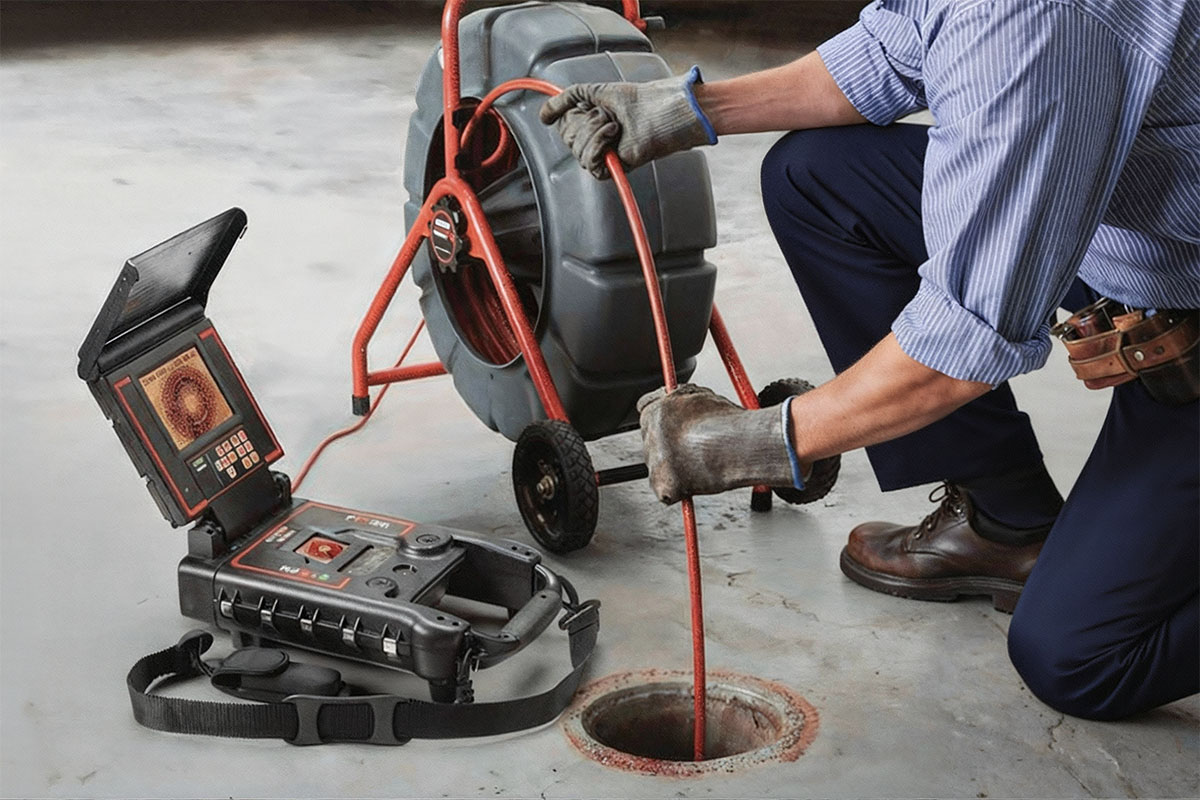
We provide thorough camera inspections that show you exactly what’s happening in your sewer line. You’ll watch the inspection in real-time, understand what we find, and get complete documentation for your records without any pressure to commit to repairs immediately.
Call Al Coronado Plumbing at (520) 412-8216 or schedule online. Whether you’re buying a home, dealing with recurring problems, or just being smart about maintenance, we’ll inspect your sewer line and give you honest answers about what you’re dealing with underground.